How to Block & Filter Spam Calls on Android (2026 Guide).I remember a specific Tuesday last October. I was in the middle of a high-stakes client presentation when my Google Pixel started buzzing. A local area code. I figured it was the caterer for the afternoon workshop. I picked up, only to be greeted by a three-second silence, a mechanical click, and a pre-recorded voice telling me my “Amazon account had been compromised.”
I’ve been a mobile security analyst for over a decade. I’ve lived through the evolution of Android from Cupcake to the current builds, and yet, there I was, getting “neighbor spoofed” like a total amateur. That day, I received nine more calls. It was an epidemic.
If your Android phone feels more like a direct line for scammers than a communication tool, you aren’t alone. We’re fighting an uphill battle against VoIP (Voice over IP) systems that allow scammers to blast out thousands of calls for pennies. But after years of tweaking settings and testing every “Scam Shield” out there, I’ve managed to get my daily spam count from ten calls down to nearly zero. Here is how you can do the same.
The Reality of the Spam Epidemic
The psychological toll of the “Silent Ring” is real. You see your phone light up, your brain does a quick calculation—Do I know this number? It’s a 512 area code, that’s local… maybe it’s the doctor?—and you feel that tiny spark of anxiety. That is exactly what scammers count on.
This is called Neighbor Spoofing. By using software to mimic the first six digits of your own phone number, telemarketers bypass your natural skepticism. It’s a dirty trick, and it works. But beyond the annoyance lies a more sinister threat: Robocall operations are often the “top of the funnel” for sophisticated phishing scams designed to steal your identity or drain your bank account.
I’ve seen users lose thousands of dollars because they answered a “scam” call that appeared to be from their own bank. The technology behind this, specifically the lack of universal adoption of STIR/SHAKEN (a framework designed to authenticate caller ID), has left the gates wide open for years. While the FCC is pushing carriers to do better, the burden of defense still mostly falls on us.
Mastering the Google Phone App Settings
If you’re using a device with the native Google Phone App (standard on Pixels, Motorolas, and many Nokia phones), you already have a powerful weapon at your disposal. Most people just never bother to dig into the settings.
First, let’s talk about Caller ID and Spam.
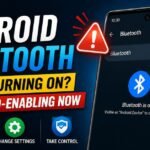
- Open your Phone app.
- Tap the three dots (top right) and hit Settings.
- Tap on Caller ID & Spam.
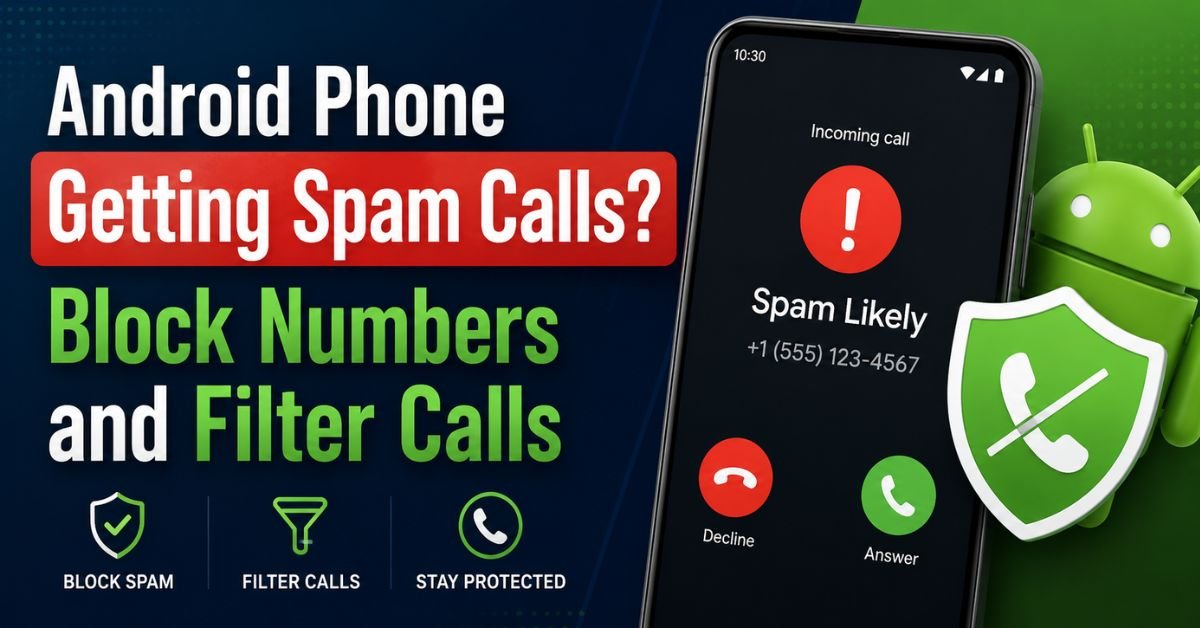
I keep “See caller and spam ID” turned on at all times. This uses Google’s massive database to identify businesses and suspected scammers. But the real MVP here is Filter suspected spam calls. When you toggle this on, your phone won’t even ring for high-probability spam. It just shows up in your call history as a missed call. It’s glorious.
The Difference Between Blocking and Filtering I often get asked: “Should I just block every number?” Not necessarily. Blacklisting individual numbers is like playing Whac-A-Mole; scammers rotate numbers constantly. Filtering, however, uses algorithmic patterns to stop the call before it hits your hardware. It’s the difference between catching a fly with tweezers and using a screen door.
Expert Insight: The “Verified Calls” Secret Deep in the Google Phone settings, you’ll find “Verified Calls.” Turn this on. When a legitimate business (like your pharmacy or airline) calls, Google verifies their identity and even shows you why they are calling (e.g., “Your prescription is ready”). If a call doesn’t have that badge, I treat it with extreme suspicion.
Pixel Exclusive: Using Call Screen Like a Pro
If you own a Google Pixel, you have access to the single best anti-spam feature ever invented: Call Screen.
I use this daily. When an unknown number calls, I don’t answer. I hit “Screen Call.” My phone then speaks to the caller: “Hi, the person you’re calling is using a screening service from Google…”
What’s brilliant is that I get a real-time transcript of what the caller is saying. If it’s a bot, they usually hang up immediately. If it’s a human, I can see them stuttering as they try to figure out why a robot is talking to them.
Pro Tip for Pixel Users: Go to Settings > Spam and Call Screen > Call Screen. Set “Unknown call settings” to Automatically screen. Decline robocalls. This effectively turns your phone into a fortress. I haven’t heard my phone ring for a random telemarketing pitch in six months because the Assistant handles the “first interview” for me.
Carrier-Level Protection: The First Line of Defense
While app-level filtering is great, network-level blocking is more robust. Your carrier (T-Mobile, AT&T, or Verizon) sees the call data before it even reaches your tower.
- T-Mobile Scam Shield: This is, in my opinion, the gold standard for carrier protection. It’s free and includes “Scam Block,” which stops known scammers at the network level.
- AT&T ActiveArmor: This replaces the old “Call Protect.” The free version is solid, but they do try to upsell you on a $3.99/month version for public Wi-Fi protection. You don’t need the paid version just for call blocking.
- Verizon Call Filter: Verizon used to be stingy with this, but they now offer a free version that identifies spam. The paid version ($3/month) provides a “Spam Look-up” feature, but honestly, the Google Phone app does that for free.
Why is carrier-level better? Because it saves your battery. Every time your phone rings, screen lights up, and processors fire up, it consumes energy. If the carrier kills the call in the cloud, your phone stays asleep.
Hands-On Tips and Common Pitfalls to Avoid
Throughout my career, I’ve seen people make one massive mistake: downloading every “Free Call Blocker” they find on the Play Store.
The Pitfall of Third-Party Apps Apps like Truecaller or Hiya offer great databases, but they come with a heavy price: Privacy. To work effectively, these apps often request “Read Contacts” permissions. They then upload your entire contact list—including your grandma’s private cell and your boss’s home number—to their servers to build their global directory.
I’ve analyzed the data traffic of some lesser-known “blocking” apps and found them “phoning home” to servers in regions with very loose data protection laws. If you aren’t paying for the product, you (and your contacts) are the product. Stick to the native Google tools or your carrier’s official app.
How to Handle “Unknown” and “Private” Callers If you want to be extreme, you can block all “Unidentified” callers.
- Phone App > Settings > Blocked numbers > Toggle Unknown to on.
- Note: This doesn’t block numbers not in your contacts; it blocks callers who have manually hidden their Caller ID (showing as “Private” or “Restricted”).
Reporting to the FCC and FTC If you’re on the Do Not Call Registry and you’re still getting hit, don’t just delete the call. Report it. In the Google Phone app, you can long-press a number in your recents and select “Report Spam.” This feeds the global database, helping the FCC track down the VoIP gateways these scammers are using.
A Quick Case Study: My “Zero Spam” Setup
To give you a real-world benchmark, here is exactly what I did to fix my own phone:
- Registered my number at donotcall.gov. (Takes 2 minutes).
- Enabled T-Mobile Scam Shield at the network level using the
#662#shortcode. - Set Google Call Screen to “Aggressive” filtering for unknown numbers.
- Deleted Truecaller and revoked its permissions.
- Whitelisting: I made sure all my doctors and frequently used services were in my “Contacts” list so they never get accidentally screened.
The result? I went from being interrupted constantly to maybe seeing one “Blocked Spam” notification every three days.
Frequently Asked Questions
Q: Does the “Do Not Call Registry” actually work?
A: Yes and no. It works for legitimate, law-abiding Telemarketing companies in the US. However, it does absolutely nothing to stop international scammers or illegal robocalls because, well, they are already breaking the law. It’s a good first step, but not a complete solution.
Q: If I “Screen Call” a legitimate person, will they get annoyed?
A: Sometimes. I’ve had my mom hang up because she thought she reached my voicemail. However, for most people, once they hear the Assistant, they just start talking. You can “pick up” the call at any time during the screening if you realize it’s someone you want to talk to.
Q: Why do I still get spam texts even after blocking the numbers?
A: Spam SMS is a different beast. Scammers use “Email-to-Text” gateways to bypass standard SMS protocols. Use the “Spam Protection” feature in the Google Messages app, which works similarly to the Phone app’s filtering.
Q: Can I block “Potential Spam” on a Samsung phone?
A: Yes. Samsung uses a service called “Smart Call” (powered by Hiya). You can find it under Phone Settings > Caller ID and Spam Protection. It’s quite effective, though I personally find Google’s database slightly more accurate for US-based numbers.
Q: Does answering a spam call make things worse?
A: Absolutely. When you answer, you “verify” to the scammer’s system that your number is active and held by a human who picks up. This makes your number a “high-value lead,” and they will sell your “active” number to other scam lists. If you don’t recognize it, let it go to voicemail or screen it.